A Risk That Sits Before The Order, Not After It
Most of the financial warnings in this directory focus on what happens once a class help transaction goes wrong: a grade guarantee that quietly disappears, a refund request that gets ignored, a demand for more money after the work is already delivered. Those are real problems, and they deserve the attention this site gives them elsewhere. But there is an earlier, quieter decision point that shapes every one of those later outcomes, and it happens before a single dollar changes hands.
That decision point is the payment method itself. A student who pays by credit card and a student who pays by Zelle can order the exact same class help package from the exact same provider and end up with two completely different sets of options if the order goes badly. One of them can call their bank. The other one, in practical terms, cannot. This piece is about that gap specifically, why it exists, why crypto widens it even further than Cash App or Zelle do, and how to read a provider's payment preferences as information rather than as a minor checkout detail.
What Each Payment Method Actually Gives You If Something Goes Wrong
It helps to be precise about what protection actually means in practice, because the word gets used loosely. Protection is not a promise from the provider. It is the existence of a third party, a bank, a card network, or a payment company, that can independently pull money back out of a merchant's account on your say so, without needing that merchant to agree first.
A credit card carries that third party by design. Card networks operate a formal dispute process, and a bank that issues the card can reverse a charge over the merchant's objection if the evidence supports it. A PayPal payment sent through its Goods and Services option works on a similar principle, with PayPal itself acting as the referee and holding the authority to refund a buyer even when the seller refuses.
Zelle, Cash App, and Venmo were not built for this. They were built to let a friend split a dinner bill or pay a roommate for rent, transfers between people who already trust each other and have no reason to dispute anything later. Send money through one of them to a stranger running a class help service, and the transfer clears the same way it would between friends: instantly, directly between two bank accounts, with the receiving app having no built in mechanism to claw the funds back on your behalf. Your bank can take a fraud report after the fact, but it generally cannot force the other side to return money it already accepted.
Wire transfers sit in roughly the same place as the P2P apps for this purpose, moving money bank to bank with no purchase protection layer attached. Cryptocurrency goes further still, and the next section explains why that difference matters enough to treat separately.
Why Crypto Is Not Just Another Version Of The Same Problem
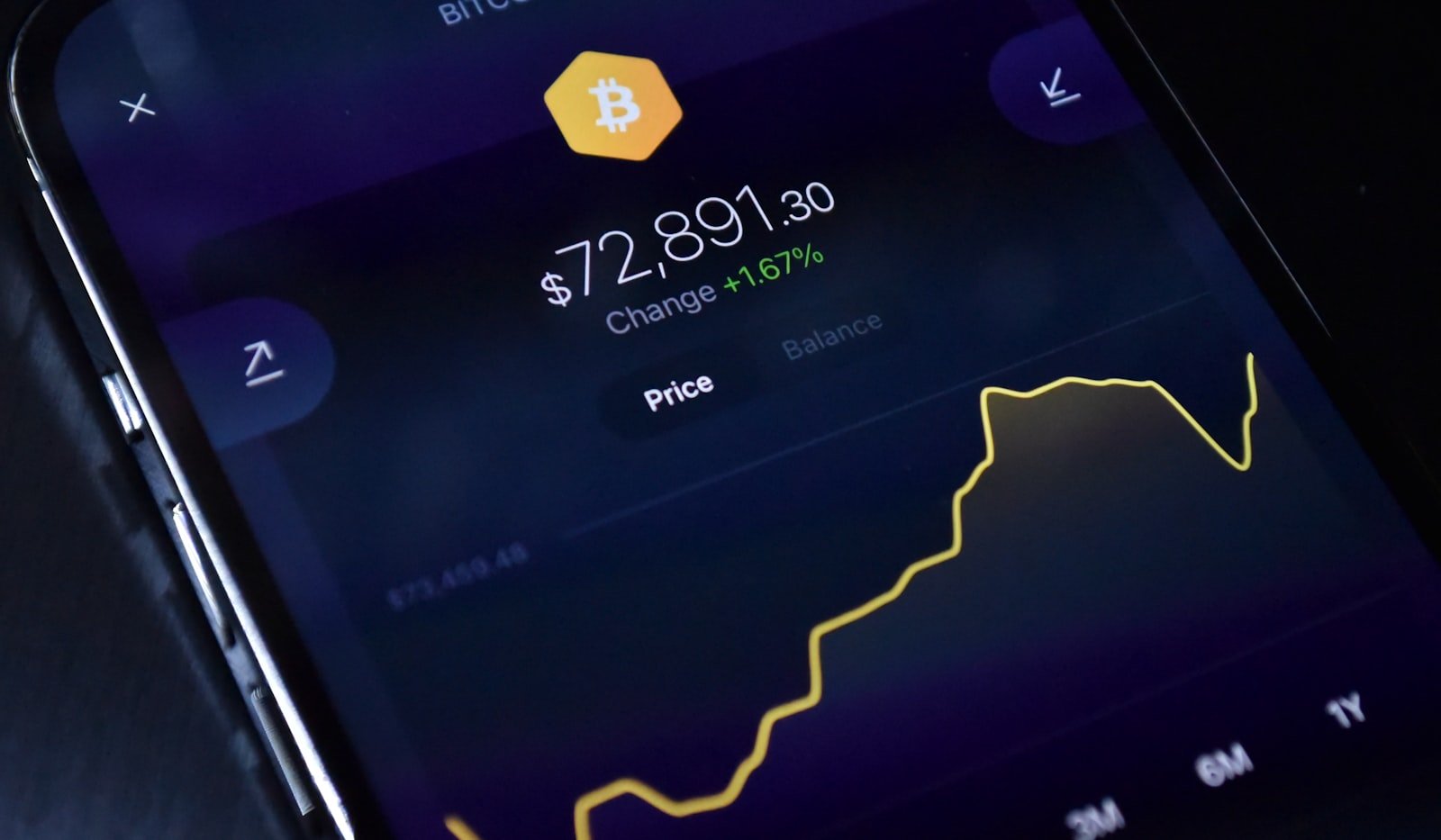
It is tempting to lump Bitcoin and USDT payments into the same bucket as Zelle and Cash App, since none of them offer a chargeback. But crypto removes something that even a P2P app still has: a company in the middle that can be reported to, sanctioned, or subpoenaed.
When you send money through Zelle or Cash App, that transaction still passes through a licensed payment company and, on at least one end, a regulated bank. Those institutions have compliance departments, fraud teams, and legal obligations, and while they usually cannot force a refund, they can freeze accounts, ban users, and cooperate with law enforcement when a pattern of fraud is documented against a specific recipient. A crypto transaction confirmed on a blockchain has none of that. Once the transaction is verified by the network, ownership of the funds has changed permanently and there is no institution positioned to reverse it, freeze it, or even meaningfully trace it back to a real world identity unless the receiving wallet happens to be tied to a regulated exchange.
That distinction matters specifically in this market because crypto is rarely the first payment method a class help provider mentions. It tends to surface as a fallback, offered after a student hesitates about Zelle or asks whether a card is available, framed as just another convenient option. Treat that framing skeptically. A provider offering crypto as an alternative to a peer to peer app is not offering you more choice. It is offering you a version of the same transaction with even less of a paper trail behind it.
What This Actually Looks Like Across Providers We Have Reviewed
This pattern is not theoretical. It shows up in the public review evidence behind more than one listing in this directory, in ways that go beyond the general billing complaints we cover elsewhere.
On our review of takemyonlineclasses.net, one of the Trustpilot screenshots our editorial team collected documents a reviewer describing exactly this kind of request, being asked to pay through Cash App rather than a card, alongside a pattern of repeated unsolicited contact from the same account. A request to move payment off a card and onto a peer to peer app, on its own, is the single clearest version of the red flag this article is about, and it is documented directly on that provider's page rather than asserted here without a source.
A related but distinct pattern appears on our review of noneedtostudy.com, where a separate Trustpilot screenshot documents a reviewer alleging that the provider reopened billing and made threats after the class was already finished. The payment method used in that specific case is not the point of that screenshot, but the underlying mechanism is the same one this article covers: once money has already moved through a channel with no built in reversal option, a provider has very little reason to worry about what happens if it asks for more.
A useful contrast sits in our review of takemyonlinecourseforme.com, where one Trustpilot review describes a disputed 150 dollar refund. A dispute of that kind generally only becomes possible when a card or a processor with a formal resolution path was involved in the original payment. The fact that a disagreement over money could even become a documented dispute, rather than simply a dead end, is itself a small piece of evidence for how much the payment method shapes what options remain once a student is unhappy with what they received.
A note on how these examples were sourced. Each example above is drawn from a Trustpilot screenshot already published and cited on the relevant provider's individual review page in this directory, not from a claim invented for this article. We paraphrase what each reviewer described rather than quoting the review text directly, and we have not reproduced any detail beyond what appears in the cited screenshot. Our safety guide covers the Zelle and Cash App scam pattern in more general depth, including the forced upsell cycle and a full comparison table of provider ratings by payment method, and is worth reading alongside this piece rather than in place of it.
Why Providers Push You Toward These Methods In The First Place
It is worth asking why a legitimate seller would ever prefer a payment method that is objectively worse for closing a sale. Cards convert better than peer to peer transfers in almost every consumer market, since buyers trust them more and use them more readily. A provider steering customers away from that convenience is making a deliberate trade, and the trade only makes sense from one direction: the provider's, not the student's.
Real payment processors, the companies that let a business accept Visa or Mastercard online, actively monitor the businesses they work with for chargeback rates and complaint volume. A merchant account that racks up too many disputed charges, too many fraud flags, or too many complaints filed with the card network risks losing its ability to accept cards at all, sometimes within weeks of crossing a threshold the merchant never sees in advance. A business that has already been through that, or expects to be, has a strong incentive to move future transactions somewhere a processor cannot shut it down.
Seen this way, a provider's insistence on Zelle, Cash App, or crypto is not a cost saving choice or a preference for speed. It is frequently a sign that a card processor either already dropped that business or would very likely refuse to approve it in the first place, precisely because of the chargeback and complaint history that a legitimate processor is designed to screen out. The payment method is, in effect, a secondhand credit check on the provider, run by someone else, that the provider is quietly asking you to skip.
Reading The Signal Before You Ever Place An Order
The most useful moment to apply any of this is before you pay, not after. A provider's checkout page and initial messages usually reveal enough about payment method to act on, if you know what to look for rather than treating price and turnaround time as the only variables that matter.
Pay attention to the order in which payment options are presented. A business with a stable merchant account will typically lead with a card or an embedded checkout form, the way any ordinary online store does, because that is genuinely the easiest option for most customers. A provider that leads with a request to Zelle a specific handle, send a Cash App tag, or "reach out for payment details" is structuring the interaction to avoid a processor entirely from the start.
Also pay attention to what happens when you ask directly. If you request a card payment option and are told cards are "temporarily unavailable," that it will "save on processing fees" to use Zelle instead, or that crypto is offered as a discount incentive, treat each of those explanations as a justification for removing your own leverage, not as a reason to feel reassured. A legitimate discount for saving a business processing fees is common in plenty of industries. A discount specifically for using a payment method with no dispute process attached is a different kind of offer, and it is worth noticing which one you are actually being given.
Protecting Yourself At The Payment Stage
Most of the protection here happens before checkout, not during a dispute later. The following steps are specific to the payment decision itself, separate from the broader vetting steps covered elsewhere on this site.
- Ask directly whether a provider accepts a major credit card or PayPal Goods and Services before discussing any other detail of the order, and treat a vague or delayed answer as informative on its own.
- If a provider only accepts Zelle, Cash App, Venmo, wire transfer, or cryptocurrency, assume you are extending trust with no institutional backup if the order goes wrong, regardless of how professional the rest of the interaction looks.
- Be specifically cautious of crypto offered as a discount or as an alternative once you decline a peer to peer app, since it usually represents an even less reversible version of the same request rather than a genuine accommodation.
- If a provider claims cards are temporarily down or unavailable, wait and check back rather than defaulting to whatever alternative method they suggest in the moment.
- Keep a screenshot of the exact payment method requested and the amount, in a location the provider does not control, in case you need it for a bank fraud report later.
- Treat a late switch in payment method, especially one that appears only after you have already agreed on price and scope, as a stronger signal than the same request made upfront, since it often means the provider is working around a processor limitation it discovered mid conversation.
The Bottom Line
Billing disputes, missed grade guarantees, and post payment demands get most of the attention in class help reviews, and rightly so. But the payment method a provider insists on is a distinct risk category that shows up earlier than any of those problems and shapes how bad they can become. A credit card or a PayPal Goods and Services payment keeps a real institution in the transaction, one with both the authority and the incentive to intervene if the order goes wrong. Zelle, Cash App, and Venmo remove that institution's willingness to intervene even though it technically still exists. Crypto removes the institution entirely.
None of this changes the academic integrity risk of paying someone to take a class in the first place, which is a separate question this directory addresses elsewhere. But if a student is going to make that decision anyway, the payment method they are pushed toward is one of the clearest, earliest, and most overlooked signals available about how that specific provider is likely to behave if anything about the order does not go as promised.
Frequently Asked Questions
A Cash App or Zelle transfer still moves between two bank accounts, so a bank can at least take a fraud report even if it cannot force a refund. A confirmed cryptocurrency payment has no bank, card network, or company in the middle at all, which means there is no institution left to complain to once the transaction clears. That makes crypto the most final version of this same problem rather than a separate one.
A major credit card or a PayPal payment sent through its Goods and Services option are the two methods that keep a real dispute path open if the order goes wrong. Our safety guide covers the specific mechanics of how those disputes work and why peer to peer apps do not offer the same protection, and is worth reading in full before you pay anyone for class help.
It often means a real card processor previously declined to keep working with that business, usually because of chargeback rates or complaint volume high enough to violate the processor's own risk rules. Treat a late switch away from card payment as a signal about the provider's history with other customers, not as a routine checkout preference.
Yes. A wire transfer moves money bank to bank the same way Zelle or Cash App does, and it carries no purchase protection layer either, so a bank can log a fraud report after the fact but generally cannot force the receiving side to return funds it already accepted. The involvement of a bank on both ends does not create a dispute path on its own. What creates that path is a card network or a company like PayPal specifically designed to referee a disagreement between a buyer and a seller.
Save a screenshot of the payment amount, the date, and the account or handle the money was sent to, then file a fraud report with your own bank or the app itself even though a forced refund is unlikely once funds have cleared. For a crypto payment, save the wallet address and the transaction record, since a regulated exchange can sometimes act on that information even when the blockchain itself offers no reversal. Our contact desk is also a place to document a case like this for future coverage.